Art Nouveau, the Line That Becomes Decoration
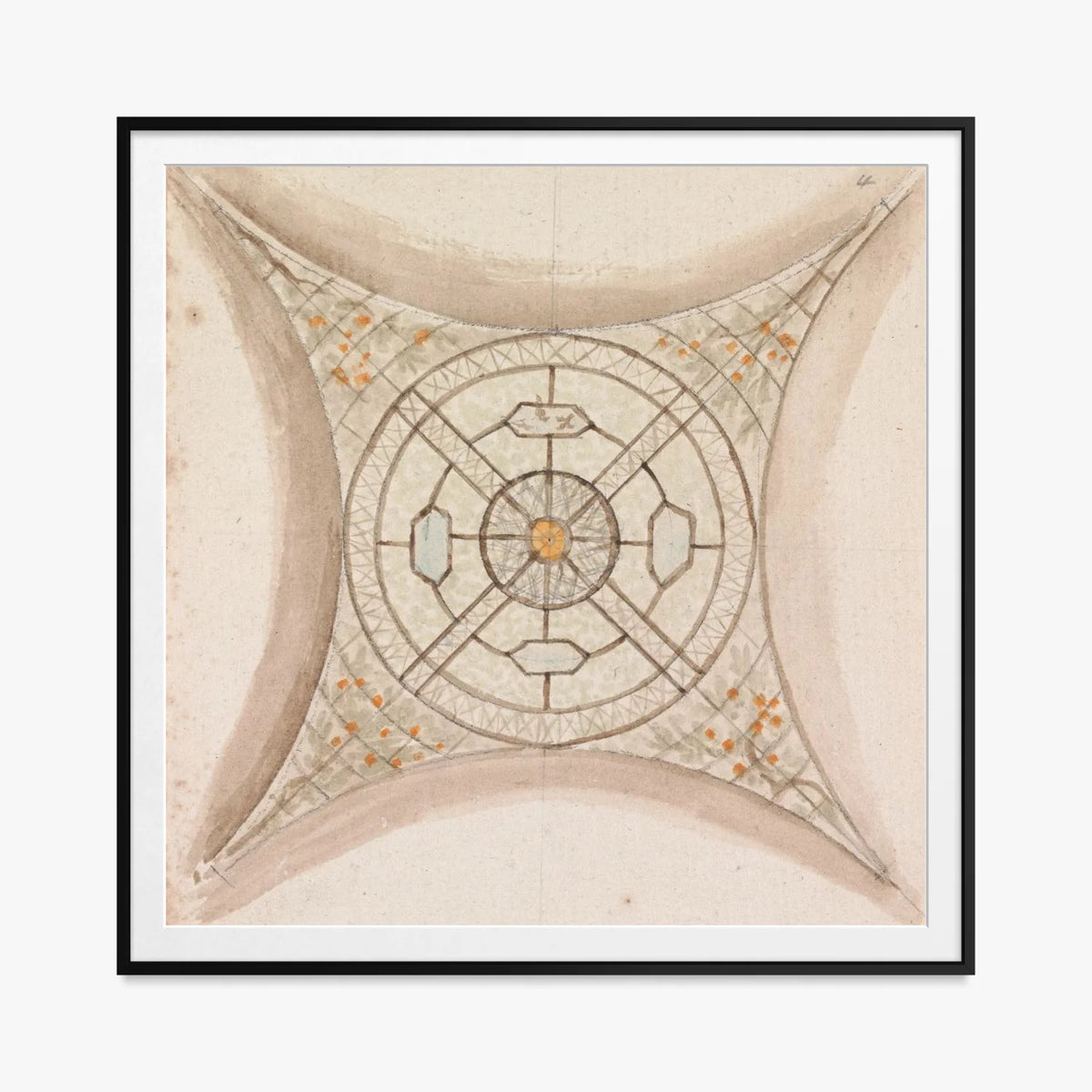
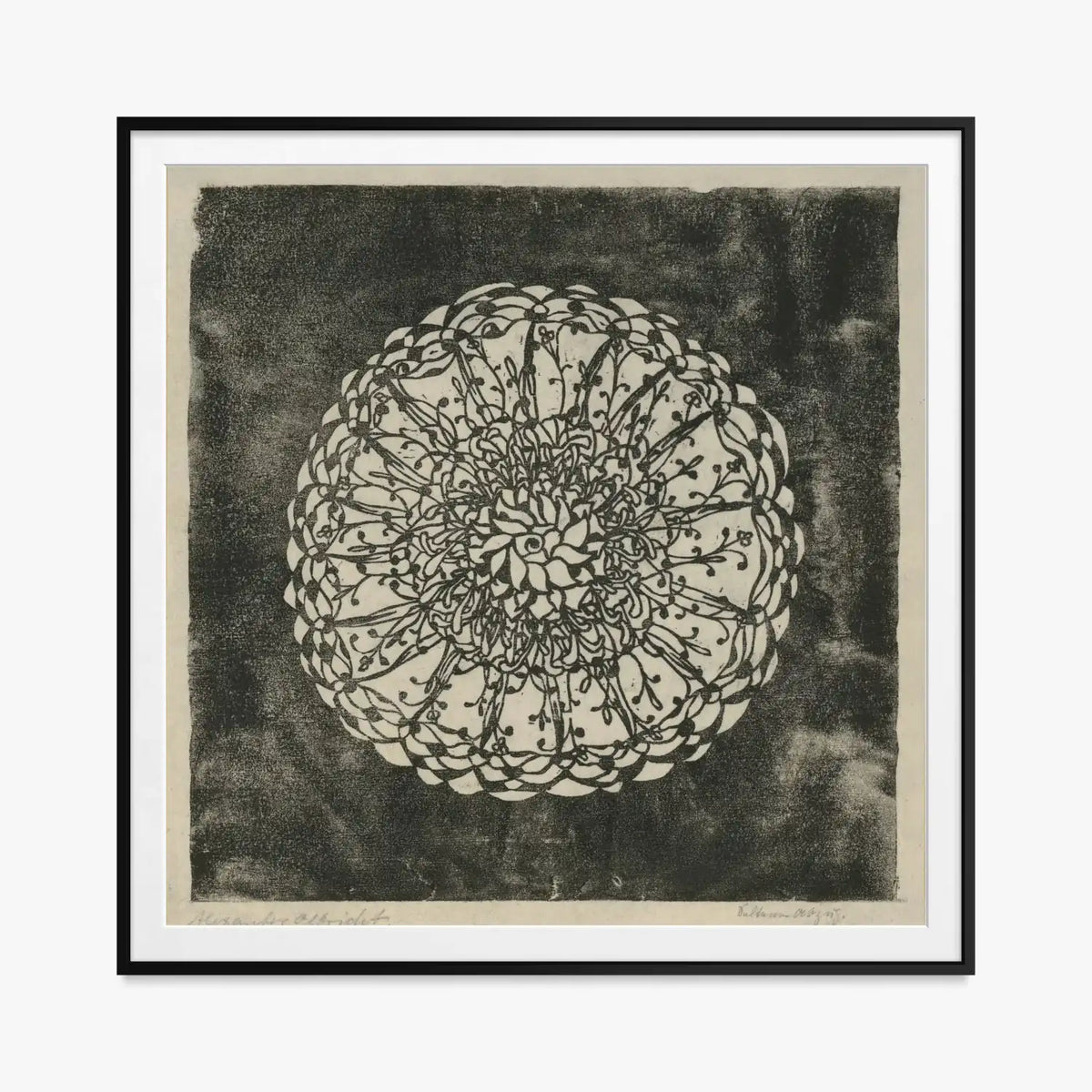
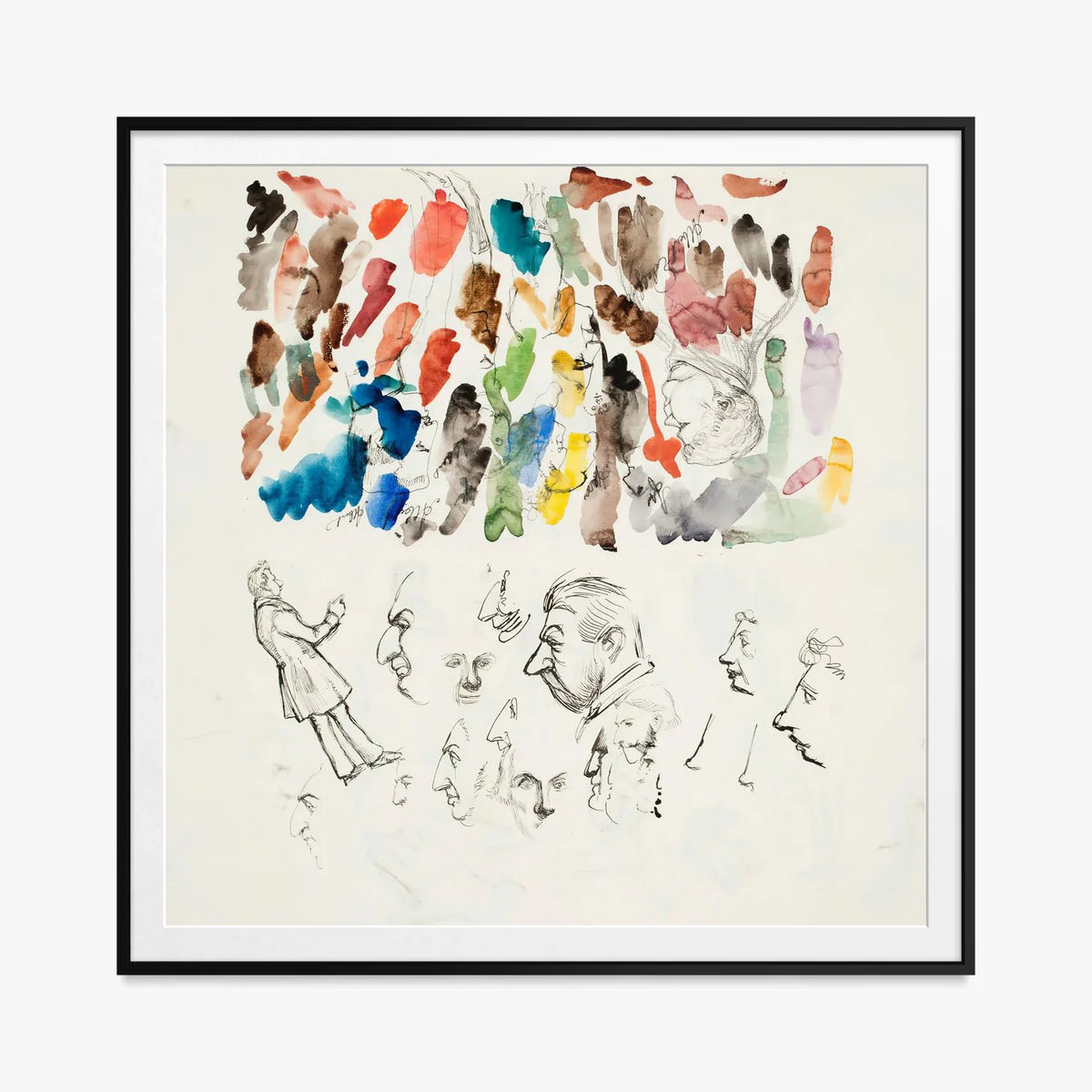
Between the late nineteenth and early twentieth centuries, Art Nouveau reshaped the relationship between art and decoration, applying sinuous lines and stylized botanical motifs to every area of visual production. This collection brings together different voices from that era: Carel Adolph Lion Cachet, one of the leading figures of Dutch Nieuwe Kunst, who applied his decorative language to a range of techniques, from bookplates to vase designs, as in the Bookplate Design for the Artist's Son; Richard Nicolaüs Roland Holst, who developed a Symbolist style across stained glass, murals, and woodcuts, including Birth of Venus; and Alexander Olbricht, who devoted much of his graphic work to plants and botanical motifs rendered with almost botanical precision, as in Plants and Botanical Ornament (Rosette). Alongside these figures, the collection also includes anonymous decorative engravings with a Chinese-inspired aesthetic, such as Double Triumphal Arch with Fireworks and Lanterns, a testament to the influence of the Far East on European ornamental taste. Bringing one of these prints into your home means preserving that pursuit, not filling an empty space.
Crafted to Last
Each Framed Art Print is made with fine art paper, then finished and framed by hand in Italy. We do not chase an immediate effect: we seek a result that remains faithful to the original colors over time, because a work intended to be passed down deserves a foundation as solid as the story it tells.
Why Choose Miriaci
Choosing Miriaci means relying on work carried out with care, from printing to delivery.
-
Careful shipping: every piece travels protected and ready to hang.
-
Archival materials: 300 g/m² fine art paper and frames selected to last over time.
-
Real support: our team remains available to help you choose the work best suited to your space.
A Work of Art, Not Just Decoration
A print does not merely fill a wall: it carries a theme, an era, and a story that continues to speak to those who look at it. The Art Nouveau works preserved by Miriaci remain faithful to this principle — pieces chosen for their meaning, even before their aesthetic appeal.
Aesthetics fade. Meaning remains.